KällaKommunalt vatten, Uppsala

Uppsala vatten / sedan 1876

It comes out of
a hill, and we try
not to spoil it.

Fourteen wells in the esker, three works, nine hundred and forty kilometres of main. No chlorine in normal operation, because the water does not need it.
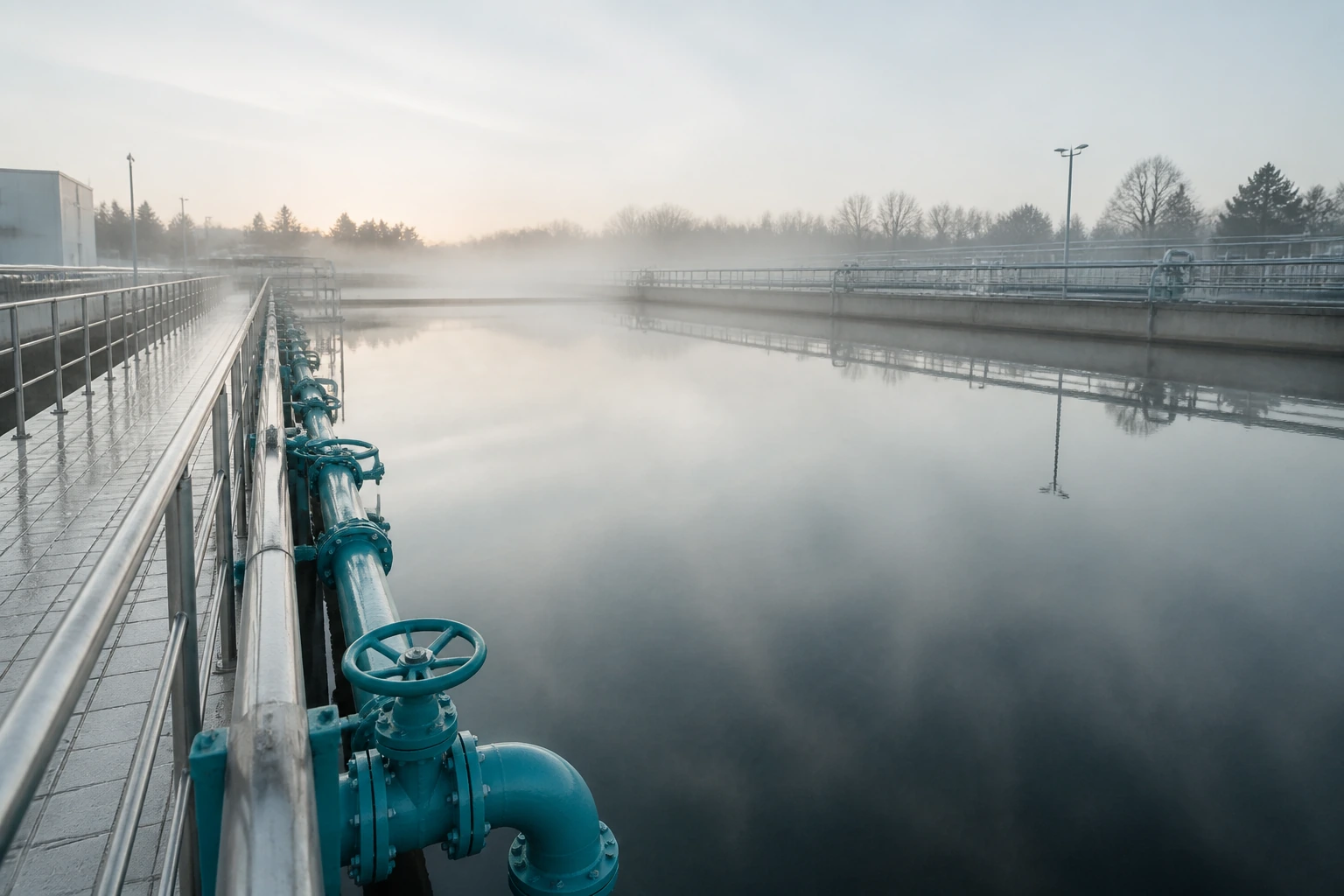
A still rectangular water treatment basin seen from a walkway at dawn with mist on the surface
Slow filter 3, Galgbacken. 0.1 metres an hour, since 1957.

This morning, at the works

Sampled 06.00, published unedited. Yesterday and every day back to 2011 are in the archive.

  1. Hardness5.8°dHMedium soft
  2. pH7.9Within 7.5 to 9.0
  3. Nitrate2.1mg/lLimit 50
  4. Turbidity0.09FNULimit 1.0
  5. Chloride11mg/lLimit 250
  6. Temperature8.4°CAt the works
91 000
Households supplied
940 km
Water main
14
Wells in the esker
0.09
FNU turbidity today

Well to tap, in four steps

  1. 01

    Source

    Fourteen wells in the Uppsala esker, drawing from an aquifer recharged by the Fyris river through two kilometres of glacial sand.

  2. 02

    Aeration

    Cascade aeration to raise oxygen and drive off carbon dioxide, in the open, in whatever weather Uppland provides.

  3. 03

    Filtration

    Rapid sand, then slow sand at 0.1 metres an hour. The slow filters are biological and are cleaned by hand, twice a year.

  4. 04

    UV and distribution

    UV disinfection, no chlorine in normal operation, then 940 kilometres of main to 91,000 households.
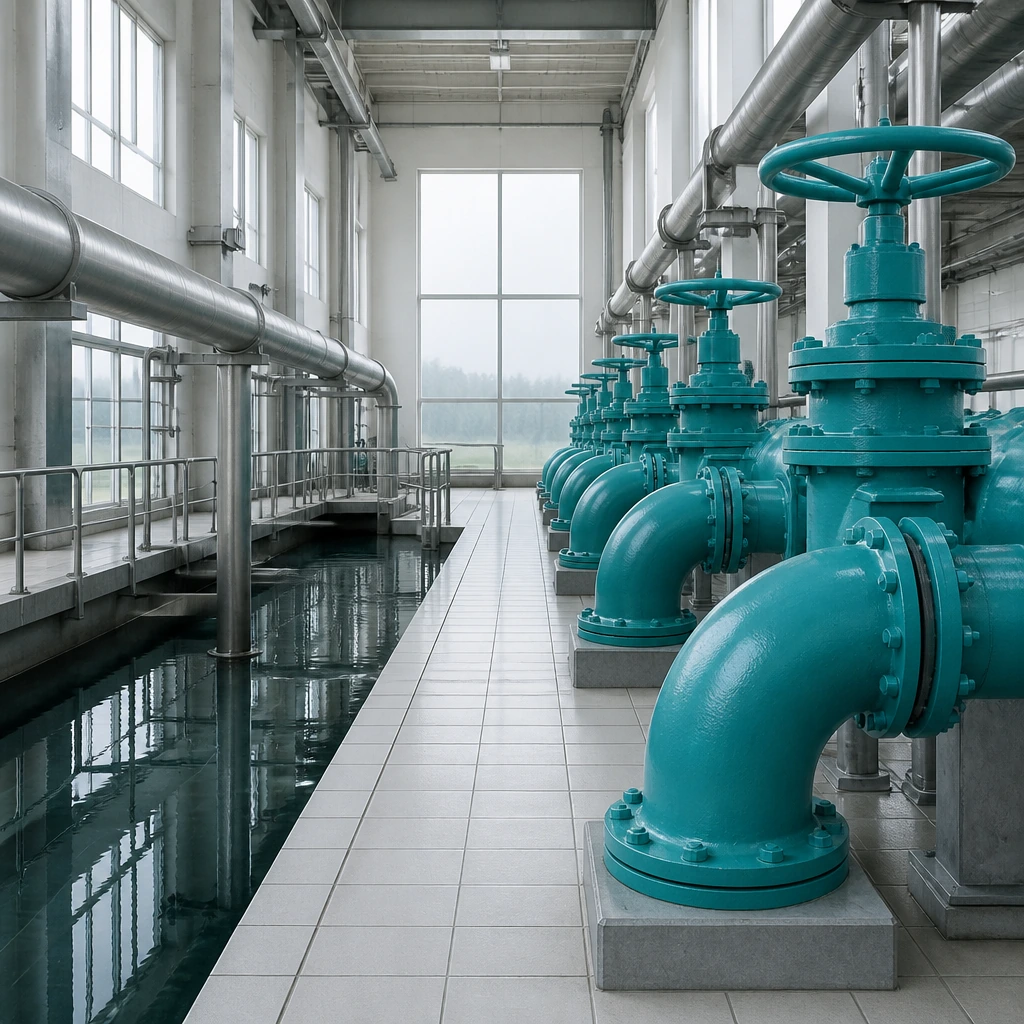
A valve hall of large painted pipework and hand wheels, evenly lit
Valve hall, Bäcklösa. Everything here is turned by hand.
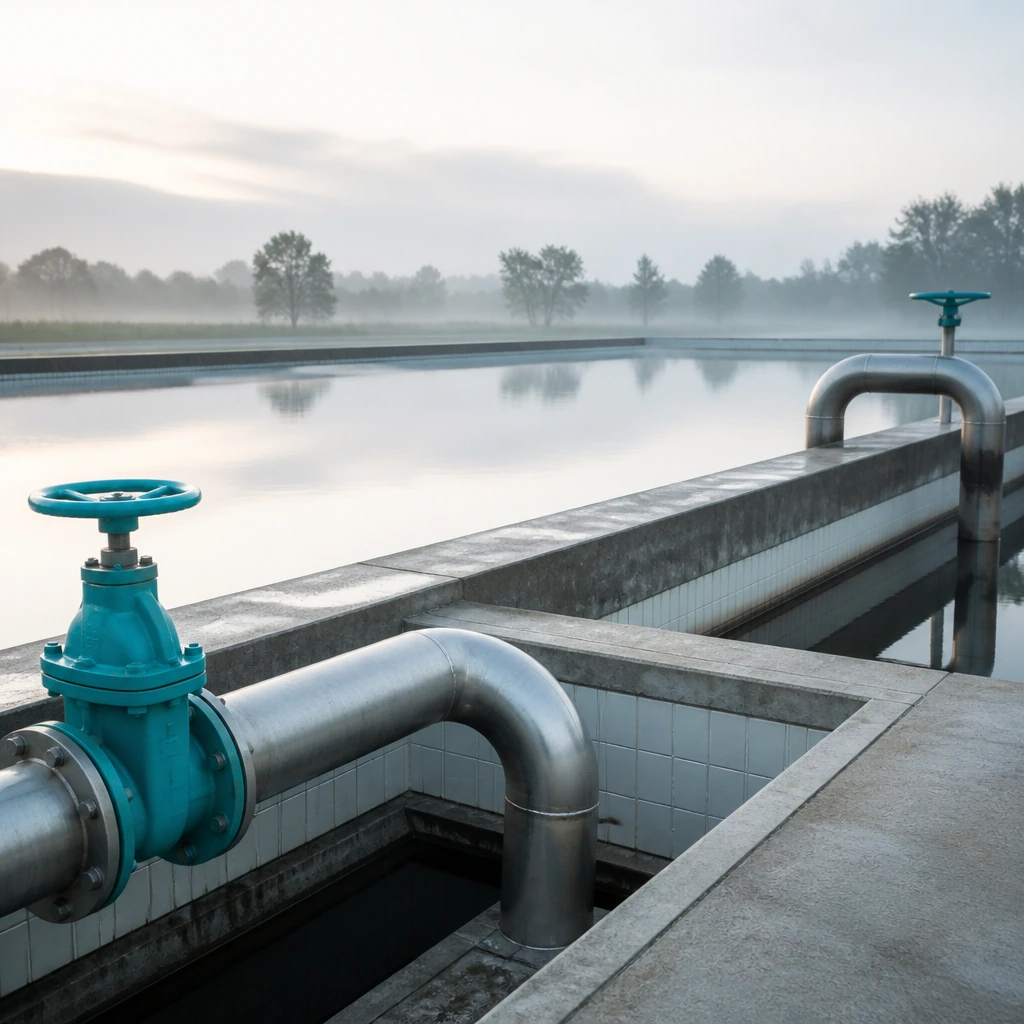
An open service reservoir at first light with flat water and a low concrete edge
Service reservoir, 14,000 m³, covered since 1988.

Three works

  1. GalgbackenSlow sand, 6 beds195738 000 m³/d
  2. StadsträdgårdenRapid + slow sand197152 000 m³/d
  3. BäcklösaRapid sand, UV200424 000 m³/d
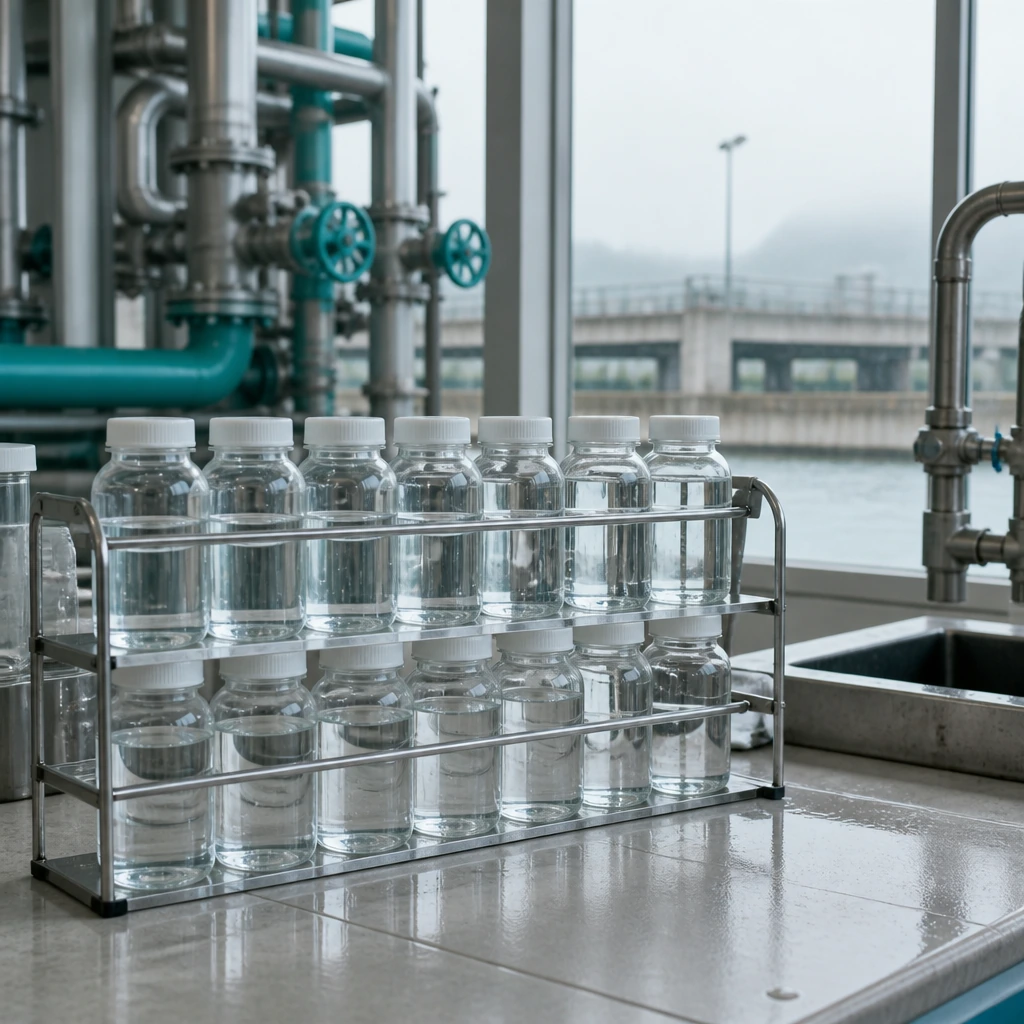
A rack of clear water sample bottles on a laboratory bench
Ninety-four samples a week, six of them from taps chosen at random.

If something is wrong with the water

Report a fault, 24 h
018 000 000
Office
Kungsängsvägen 27
753 23 Uppsala
Discoloured water
Run the cold tap for five minutes. If it persists, call the number above.

Three things we test for that nobody asks about

The parameters on the front page are the ones people know. These are the ones that actually keep the supply safe.

01

Coliforms

Ninety-four samples a week, six from taps chosen at random across the network. A single positive closes a zone until three consecutive clears.

02

Trihalomethanes

A by-product of chlorination, which is one of several reasons we do not chlorinate in normal operation. Measured anyway, monthly.

03

Pressure

Not a quality parameter, but a low-pressure event is how contamination gets into a main. Logged continuously at forty points.

Network

What the nine hundred and forty kilometres are actually made of, oldest first.

  1. Cast iron118 km1876 to 1955Priority, 4 km a year
  2. Asbestos cement96 km1950 to 1974Priority, on failure
  3. Ductile iron341 km1970 to 2000As required
  4. PE 100372 km1995 onwardNone expected
  5. Steel, trunk13 km1962Relined 2018
  6. Service pipesn/aVariousLead: none remaining

Questions from households

Why is my water cloudy?
Almost always air, not dirt. Fill a glass and leave it for two minutes; if it clears from the bottom up it was air and there is nothing wrong.
Do I need a filter?
No. If you dislike the taste, a jug in the fridge for an hour does more than any filter, and costs nothing.
Is it hard water?
Five point eight degrees, which is medium soft. You will use less detergent here than almost anywhere else in the country.
Why does it taste different in summer?
Slightly warmer at the tap and slightly longer in the main. Same water, same source, different residence time.