Institut Vollmer

Materials research since 1951
Nordstrasse 44, 4058 Basel

00

Statement

Independent foundation, Basel, established 1951

Materials fail in ways that are boring, repeatable and worth measuring properly.

Institut Vollmer tests metals, coatings, polymers and ceramics for anyone willing to pay for an honest number. We are a foundation, not a department. Four research programmes, 148 staff, and a rule that raw data leaves the building with every report.
Work with the instituteRecent publications

A materials testing hall at Institut Vollmer, load frames in a row under high windows

01

Research

Four programmes, reviewed every five years

Four programmes. No fifth one until one of these closes.

A

Fatigue and fracture

Metals under cyclic load, from 10³ to 10⁹ cycles.

Crack initiation and closure in wrought and additively manufactured steels, with variable amplitude spectra taken from real service records rather than laboratory blocks. The programme runs three servohydraulic rigs continuously and publishes its raw load histories.

Head
Dr Katrin Reuss
Started
1974
Staff
21, of which 9 doctoral
Funding to
2029

B

Thin films and coatings

Adhesion, residual stress and wear at thicknesses below 5 µm.

Physical and chemical vapour deposition on tool steels, glass and polymer substrates. Work concentrates on the failure of the interface rather than on the film itself, using nanoindentation, scratch testing and cross-sectional microscopy.

Head
Prof. Samuel Ndiaye
Started
1996
Staff
18, of which 7 doctoral
Funding to
2028

C

Polymer ageing

Thermal, oxidative and photochemical degradation over decades.

Accelerated ageing correlated against field samples recovered from buildings, vehicles and buried pipe. The institute holds a reference archive of 2,900 dated specimens, the oldest exposed in 1963, and adds roughly 60 a year.

Head
Dr Miriam Aeberhard
Started
1963
Staff
16, of which 6 doctoral
Funding to
2030

D

Structural ceramics

Silicon carbide and nitride above 1,200 °C.

Creep, oxidation and thermal shock in components for energy conversion. The group maintains the only four-point bend rig in the region certified for testing at 1,450 °C in controlled atmosphere, and shares it with two universities.
Head
Dr Ilya Brunner
Started
2008
Staff
12, of which 5 doctoral
Funding to
2029
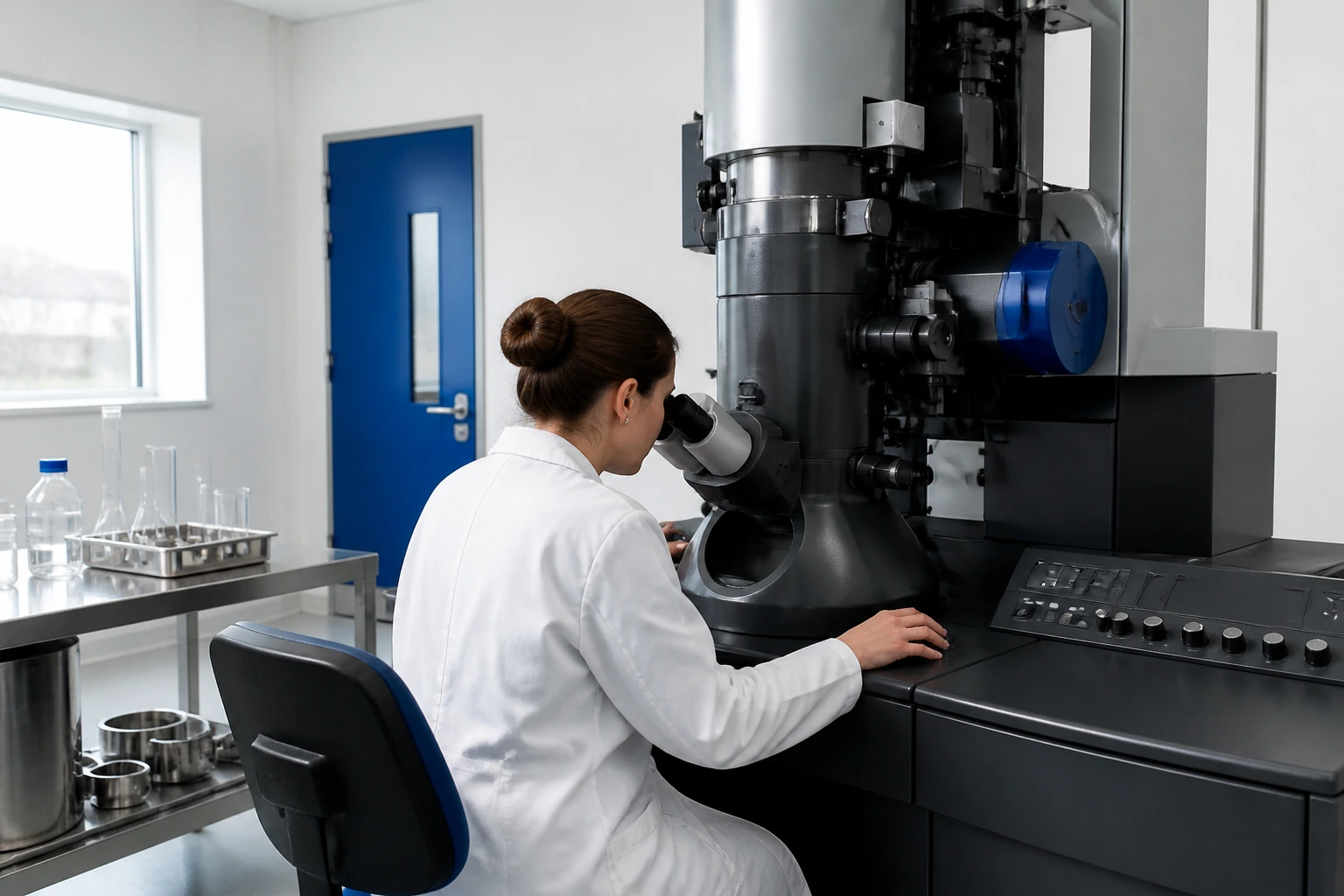
A researcher at the scanning electron microscope, screens showing a fracture surface
Fig. 1. The scanning electron microscope in Hall B. A 316L specimen goes on the stage at 15 kV after 4.1 million cycles.
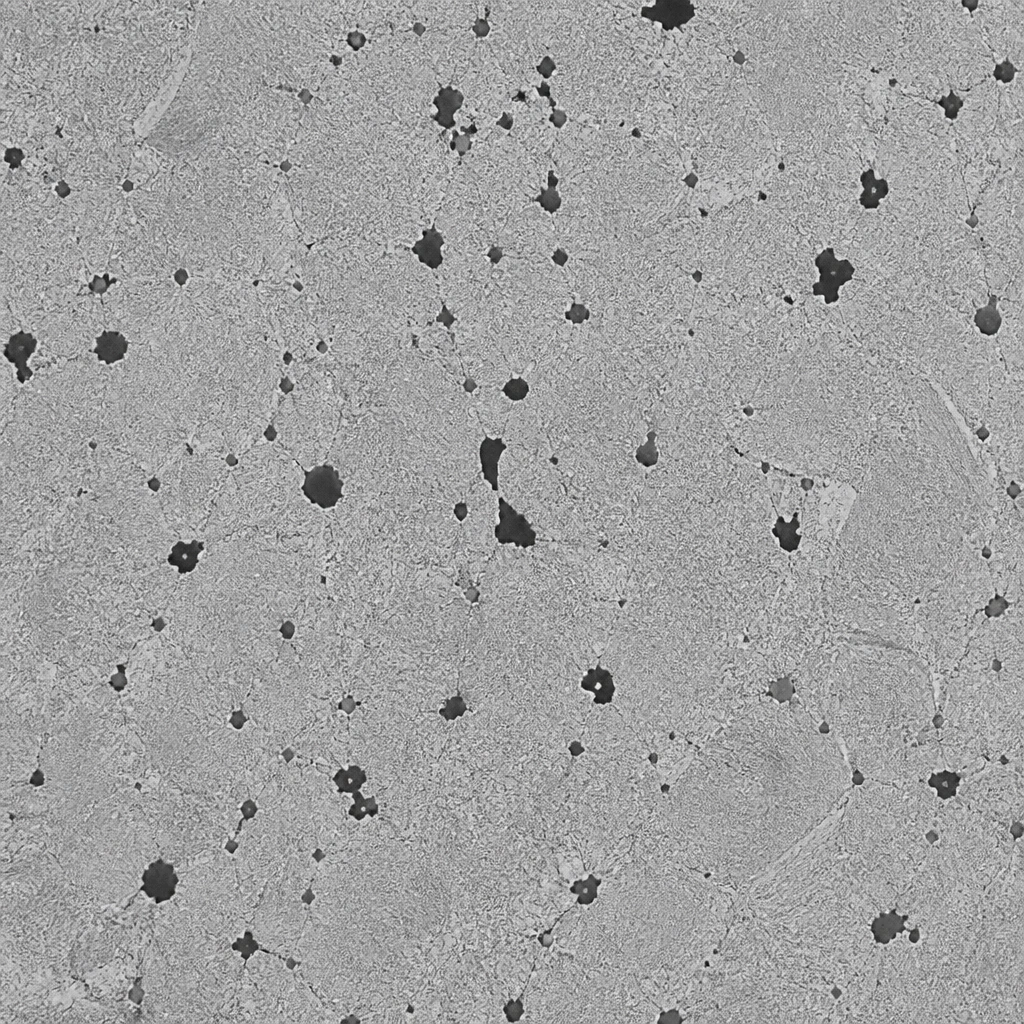
A greyscale micrograph of a polished cross-section scattered with dark pores
Fig. 2. Porosity in the same specimen, imaged after sectioning. Every dark mark is a void.

02

Facilities

Eight principal instruments, all bookable

Instruments, what they do, and when they were installed.

  • Scanning electron microscopeField emission, EDS and EBSD, 0.8 nm at 15 kV2019Open, booked
  • Transmission electron microscope200 kV, STEM and tomography, cryo stage2022Trained users
  • Servohydraulic fatigue rigsThree frames, 100 / 250 / 630 kN, 0.1 to 50 Hz1988, rebuilt 2021Staff operated
  • X-ray diffractometerResidual stress and texture, Cr and Cu sources2016Open, booked
  • NanoindenterContinuous stiffness, 10 µN to 500 mN, heated stage2020Trained users
  • Thermogravimetric analyserTo 1,600 °C, coupled mass spectrometry2018Staff operated
  • Climate chambersSix units, −70 to +180 °C, 10 to 98 per cent RH2011 to 2024Open, booked
  • Clean roomISO class 7, 240 m², deposition and lithography2014Trained users

Hourly rates and the booking calendar are published at the reception desk and revised each January. Academic users from partner institutions pay the marginal cost of consumables only.
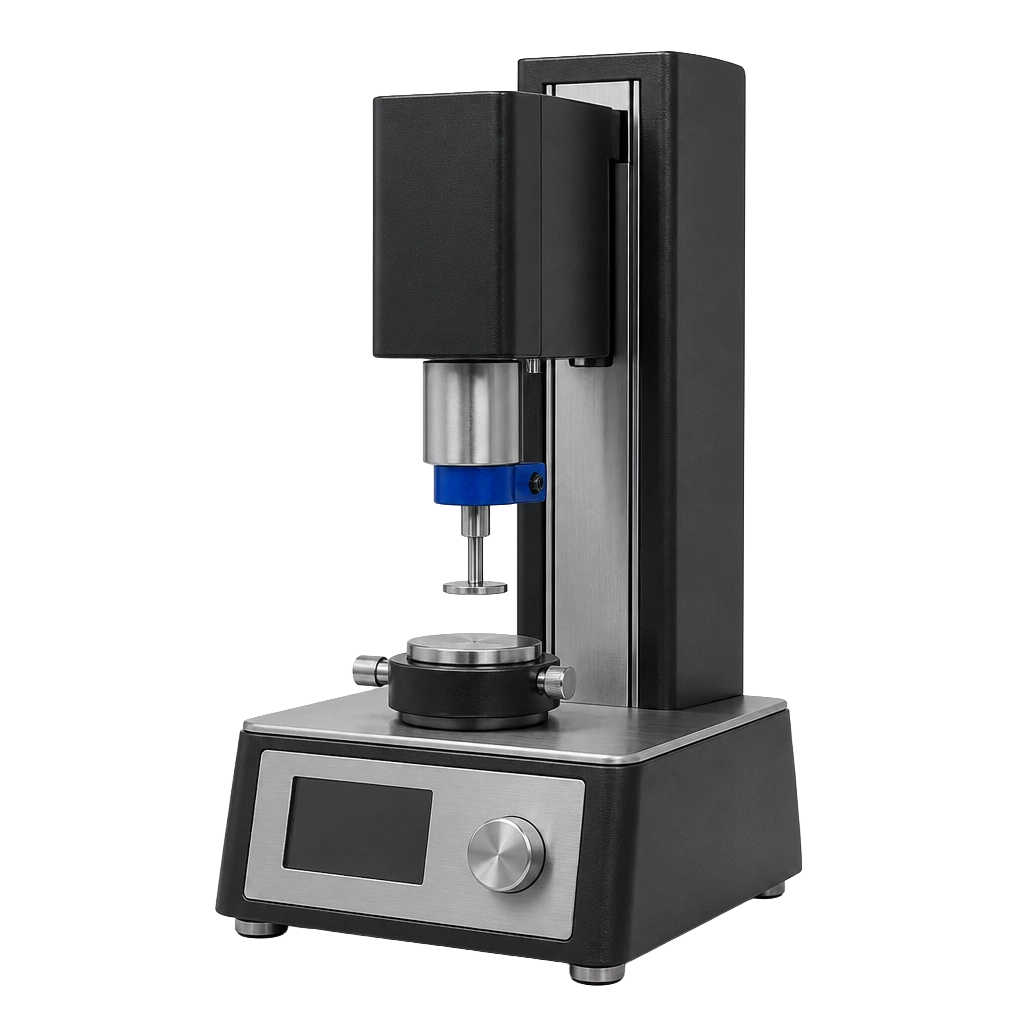
A benchtop testing instrument with a sample stage, cut out against the pattern field

03

Publications

Ten of 112 papers, 2023 to 2026

Selected publications.

Every paper below is deposited open access within six months of acceptance. Underlying data is deposited at the same time.

  1. 2026Crack closure in additively manufactured 316L under variable amplitude loadingReuss, K., Aeberhard, M., Vollmer, T.International Journal of Fatigue 191, 108441
  2. 2026Oxide scale spallation on ferritic steels above 750 °CHalter, P., Ndiaye, S.Corrosion Science 238, 111902
  3. 2026Creep of pressureless sintered silicon carbide in wet air at 1,400 °CBrunner, I., Sigg, R.Journal of the European Ceramic Society 46, 3311
  4. 2025Sixty-two years of polyethylene: field ageing against the accelerated modelAeberhard, M., Lutz, C., Perrin, N.Polymer Degradation and Stability 231, 110724
  5. 2025Residual stress and interface failure in AlTiN coatings on hardened tool steelNdiaye, S., Bircher, A.Surface and Coatings Technology 496, 130603
  6. 2025A round robin on hydrogen-charged martensitic steel across four laboratoriesReuss, K., Frei, D.Materials & Design 249, 112558
  7. 2024On the reporting of load spectra: a proposal for minimum disclosureVollmer, T., Sigg, R., Halter, P.Engineering Fracture Mechanics 302, 110088
  8. 2024Photo-oxidation of glass fibre reinforced polyamide in alpine exposurePerrin, N., Aeberhard, M.Polymer Testing 138, 108211
  9. 2024Thermal shock of silicon nitride: quenching versus cyclic heatingBircher, A., Brunner, I.Ceramics International 50, 27904
  10. 2023Digital image correlation at the scale of a single grain: limits and artefactsLutz, C., Reuss, K.Experimental Mechanics 63, 1411

04

People

148 staff, 22 nationalities, 63 doctoral

Programme heads.

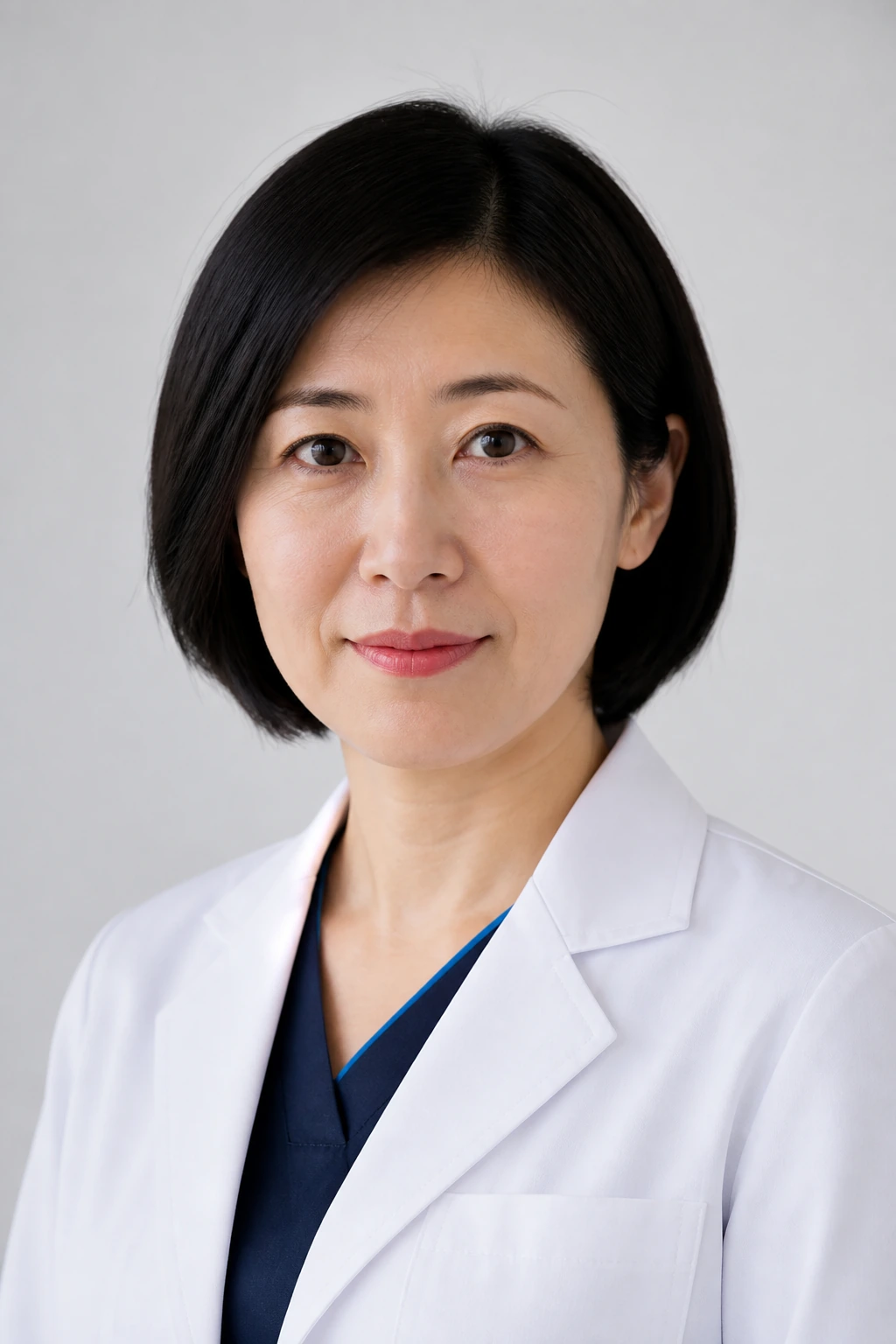
Studio portrait of Dr Katrin Reuss in a white laboratory coat against a grey wall

Dr Katrin Reuss

Head, Fatigue and fracture

At the institute since 2011. Chairs the working group on load spectrum disclosure and teaches the fracture mechanics course at the technical university two afternoons a week.
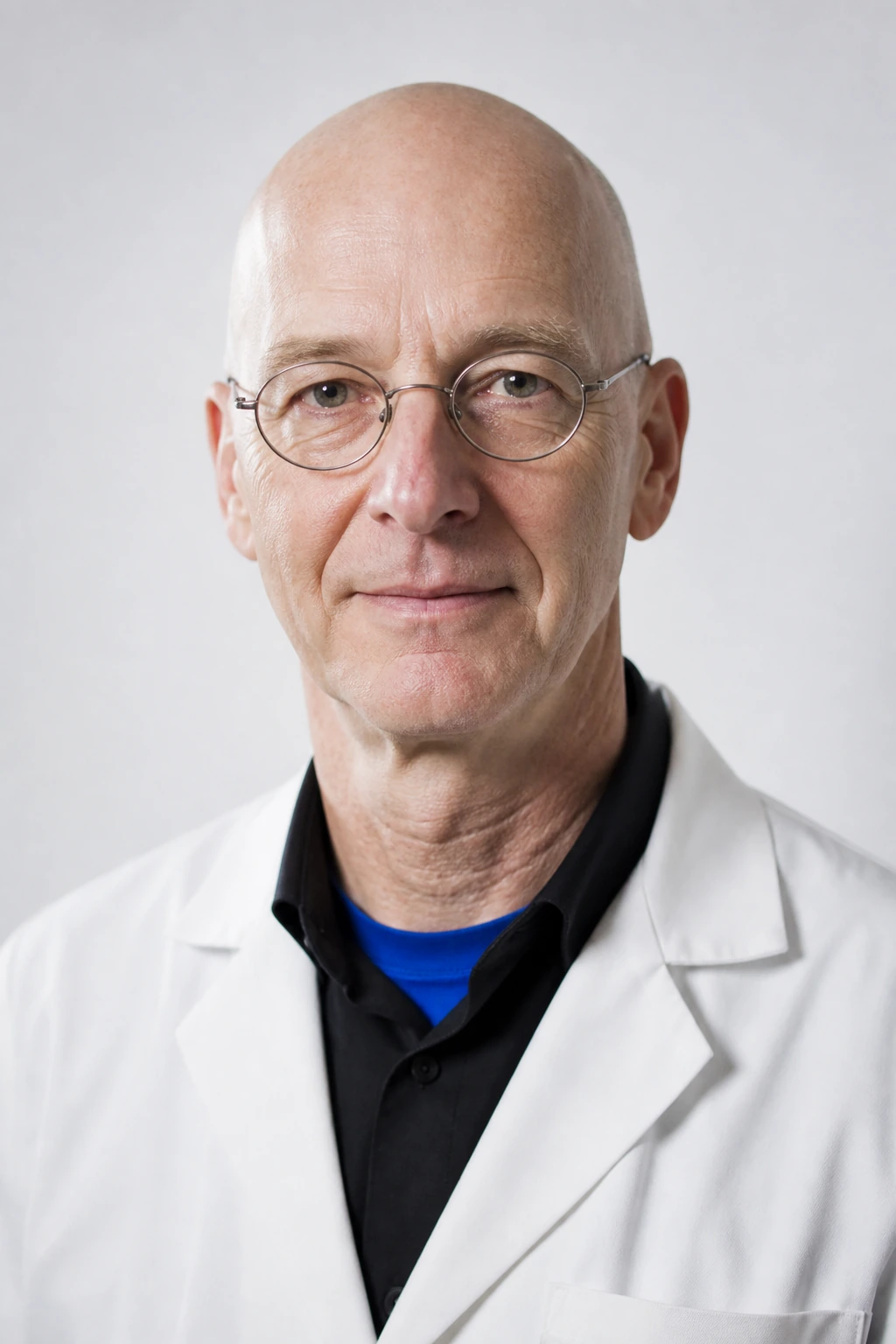
Studio portrait of Prof. Samuel Ndiaye in a white laboratory coat and wire-framed glasses

Prof. Samuel Ndiaye

Head, Thin films and coatings

At the institute since 2003, director since 2021. Responsible for the clean room, for the industry programme and for the decision that all raw data leaves the building with the report.
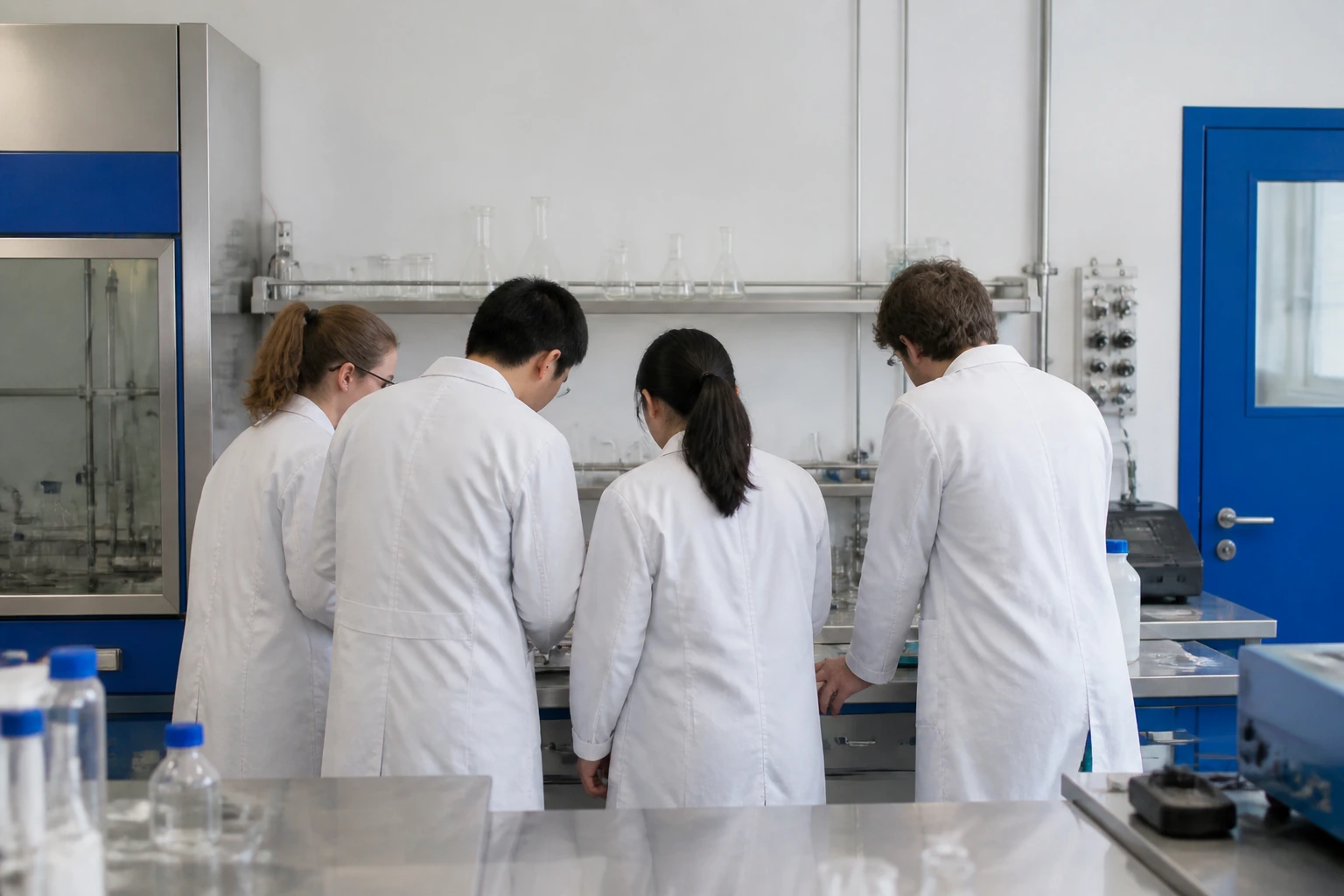
Four researchers in white coats in conversation around a laboratory bench
Fig. 3. The fatigue group at the Tuesday bench review. Ninety-two of the 148 staff sit in one programme; the rest work across all four.

05

Industry

Ninety-one companies, 23 joint projects running

Four ways to use the institute.

  1. 01

    Contract testing

    Standard mechanical, thermal and microstructural testing to ISO, ASTM and EN methods. Quoted in writing, fixed price, reported within 15 working days.

  2. 02

    Failure analysis

    A component arrives, a written cause arrives back. Median turnaround in 2025 was 11 working days. Urgent intake is possible within 48 hours at a surcharge of 40 per cent.

  3. 03

    Joint projects

    Two to four years, cost shared, staff seconded in both directions. Twenty-three are running. Results are published after an embargo of no more than twelve months.

  4. 04

    Instrument access

    Booked hours on the microscopes, the diffractometer and the climate chambers, with or without an operator. CHF 180 to CHF 420 per hour depending on instrument.

Terms are the same for every client: fixed price, written scope, no exclusivity beyond twelve months, and no result withheld because it is unwelcome. Contracts that require otherwise are declined, which happened four times in 2025.
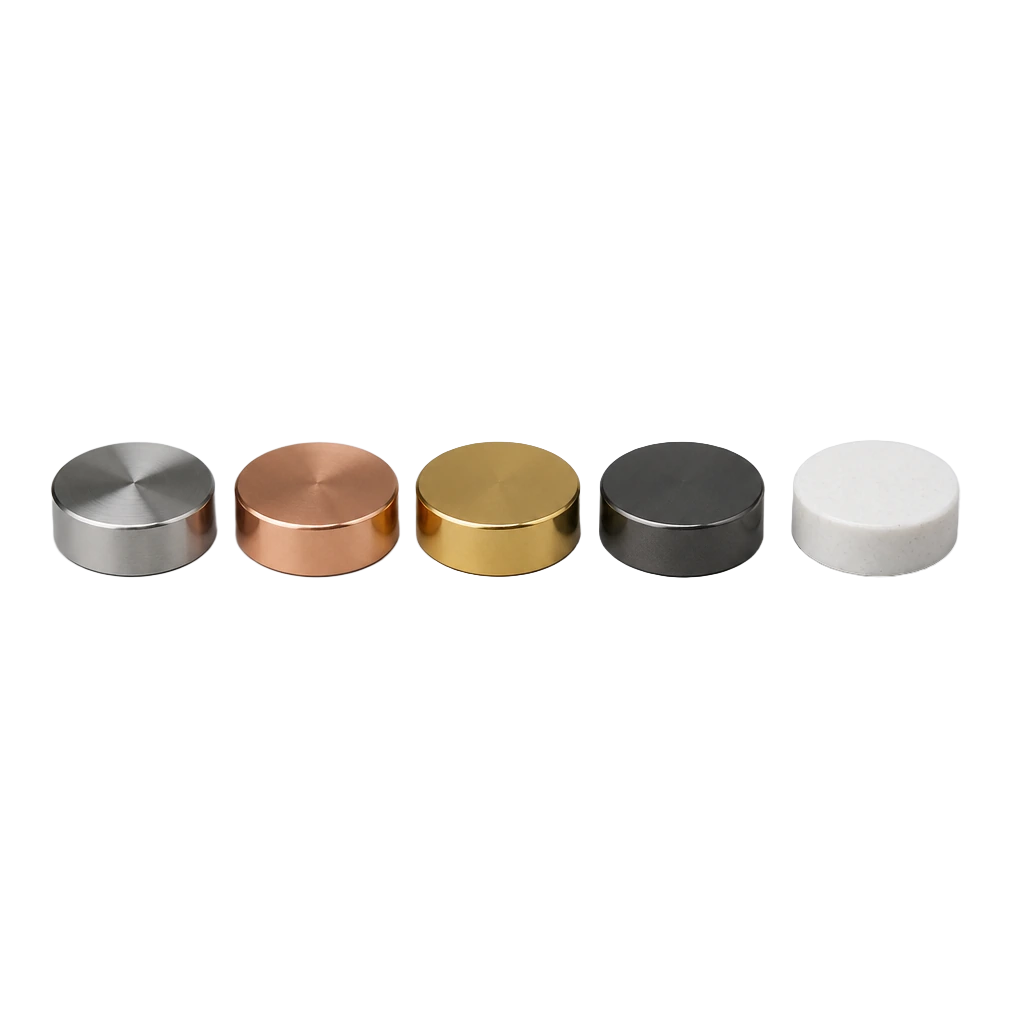
A row of prepared metal test coupons, cut out against the pattern field

06

Figures

Financial year 2025, audited March 2026

The year in six numbers.

  • CHF 24.6 mOperating budget, 2025
  • 148Staff, of which 63 doctoral
  • 112Peer-reviewed papers, 2025
  • 87Contract projects completed
  • 61 %Income from external sources
  • 9Patent applications filed

The full annual report, 64 pages including the auditor’s statement and every project title, is available on request and is posted to members of the foundation council each April.

07

Contact

Reception, sample intake and deliveries
Where we are.

Address
Nordstrasse 44, 4058 Basel
Telephone
+41 61 720 40 00
Reception
Mon to Fri, 08.00–17.00
Sample intake
Mon to Thu, 09.00–15.00
Tram
Line 8, stop Nordstrasse
Rail
Basel Badischer Bahnhof, 12 minutes on foot
Deliveries
Gate 2, Hafenweg, 07.00–16.00
Visitors
Photographic identification at reception
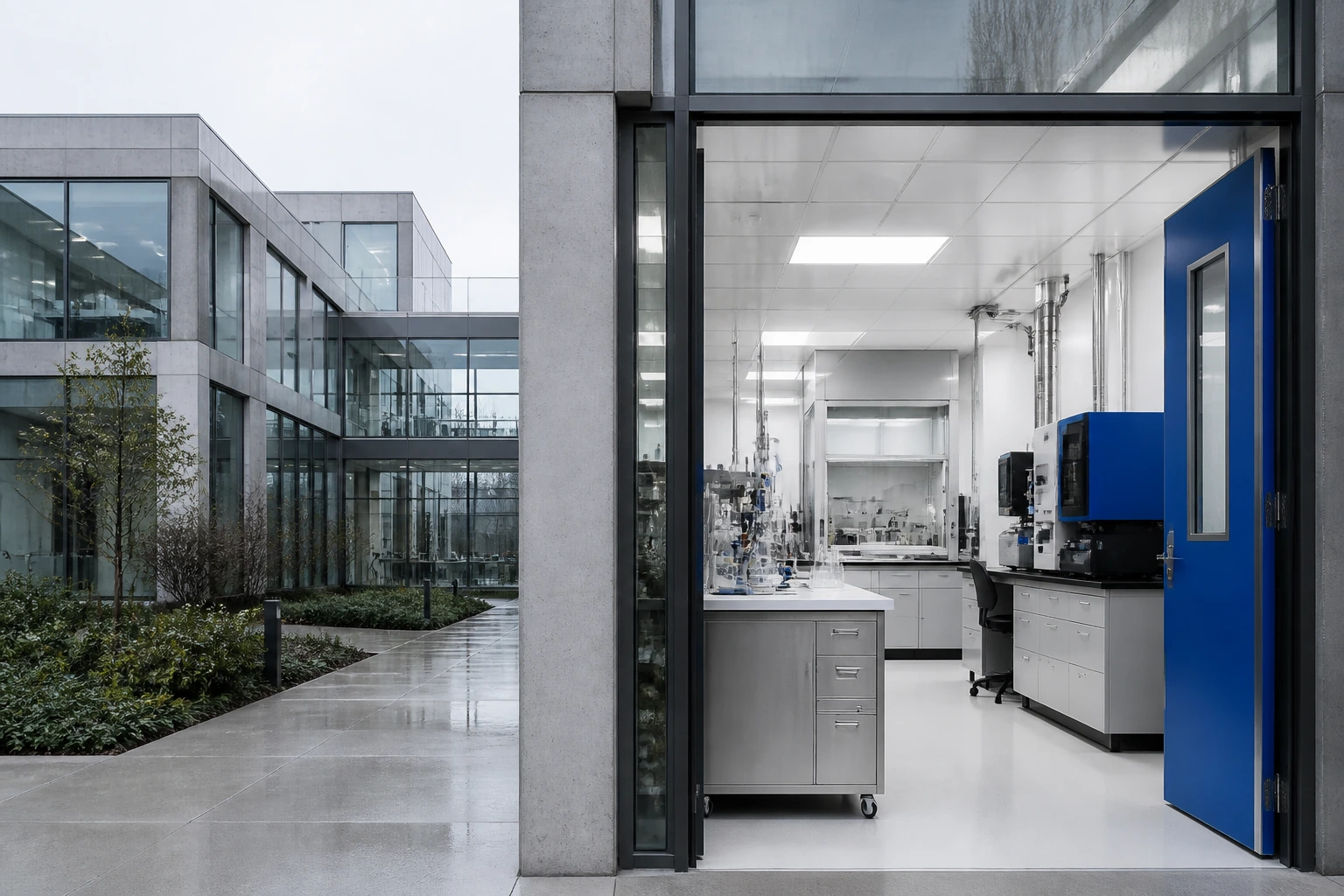
The Institut Vollmer building, a low concrete laboratory block with a long band of glazing
Nordstrasse 44, built 1968, laboratory wing added 2014.

kontakt@institut-vollmer.ch