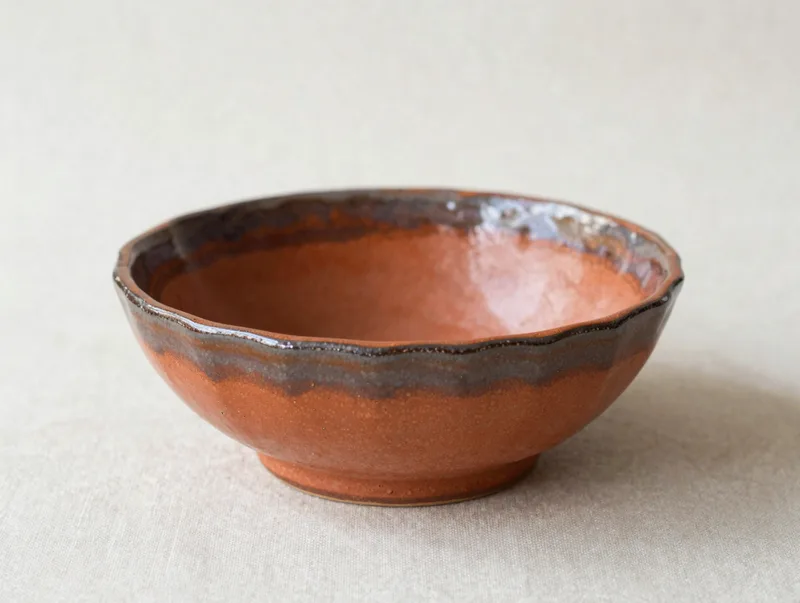
Bowls
Each piece is wheel-thrown, glazed, and fired in our riverside studio. No two exactly alike, all made to be used.
We throw every piece on the wheel, trim it the next day, and glaze it by hand before a long firing. The little marks left behind are the point, not a flaw.
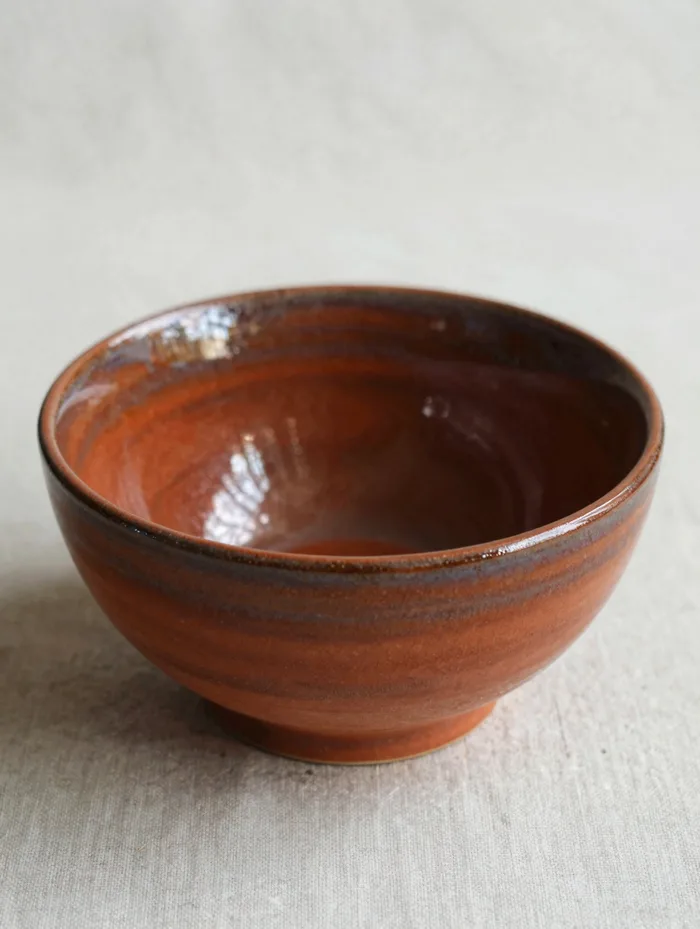
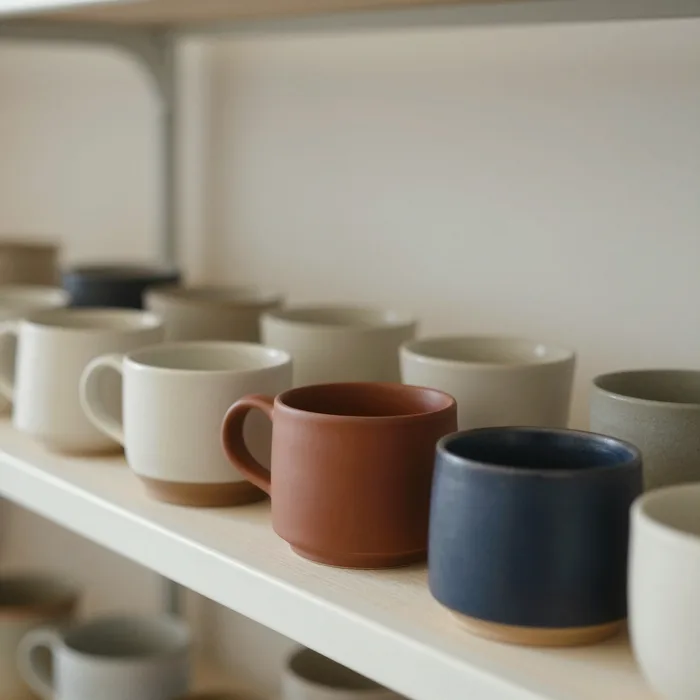
Our glazes are mixed in-house from local minerals, so the colours shift with the season and the kiln.
Every piece is thrown one day and trimmed the next, then dipped by hand in glaze we mix ourselves. The little marks are the maker saying hello.
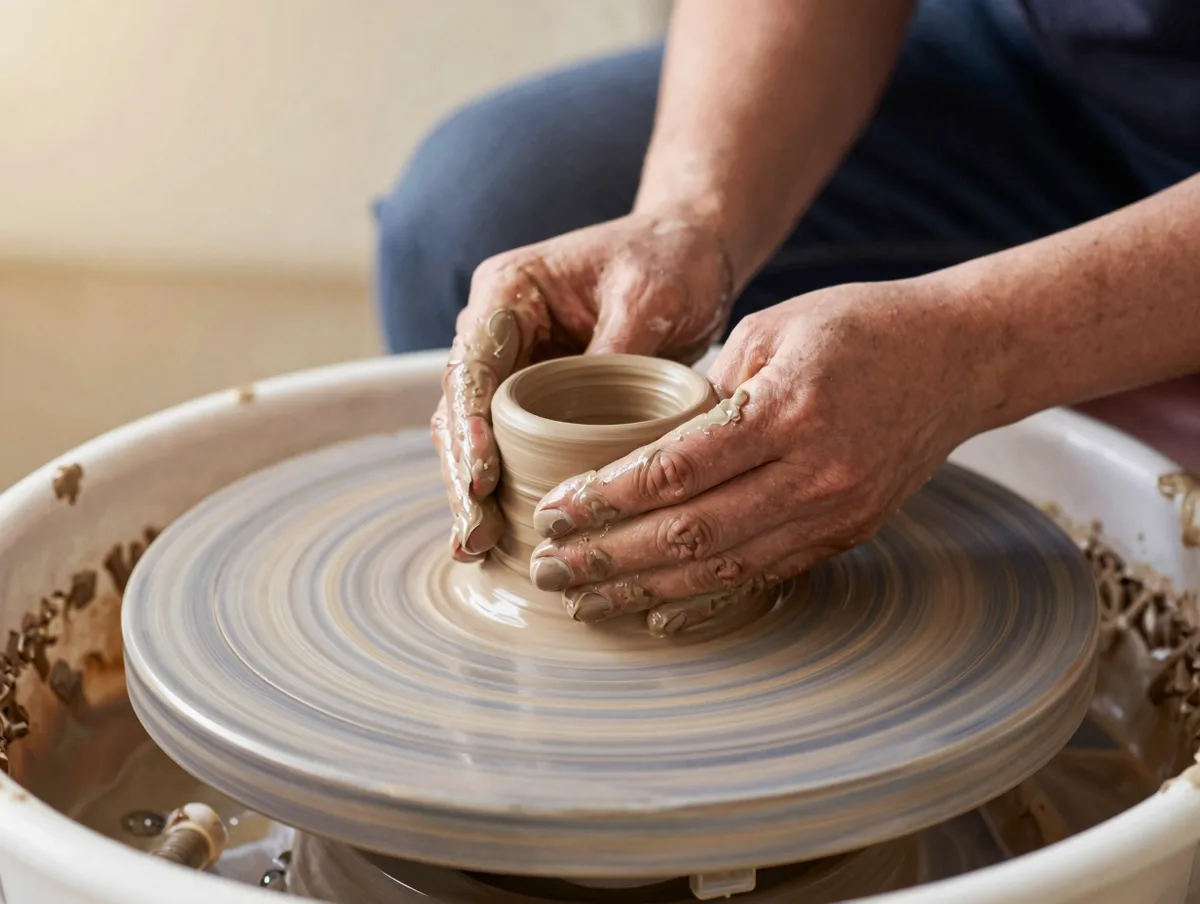
A long stoneware firing pulls the glaze into its final tone, so the batch shifts gently with the season and the kiln.
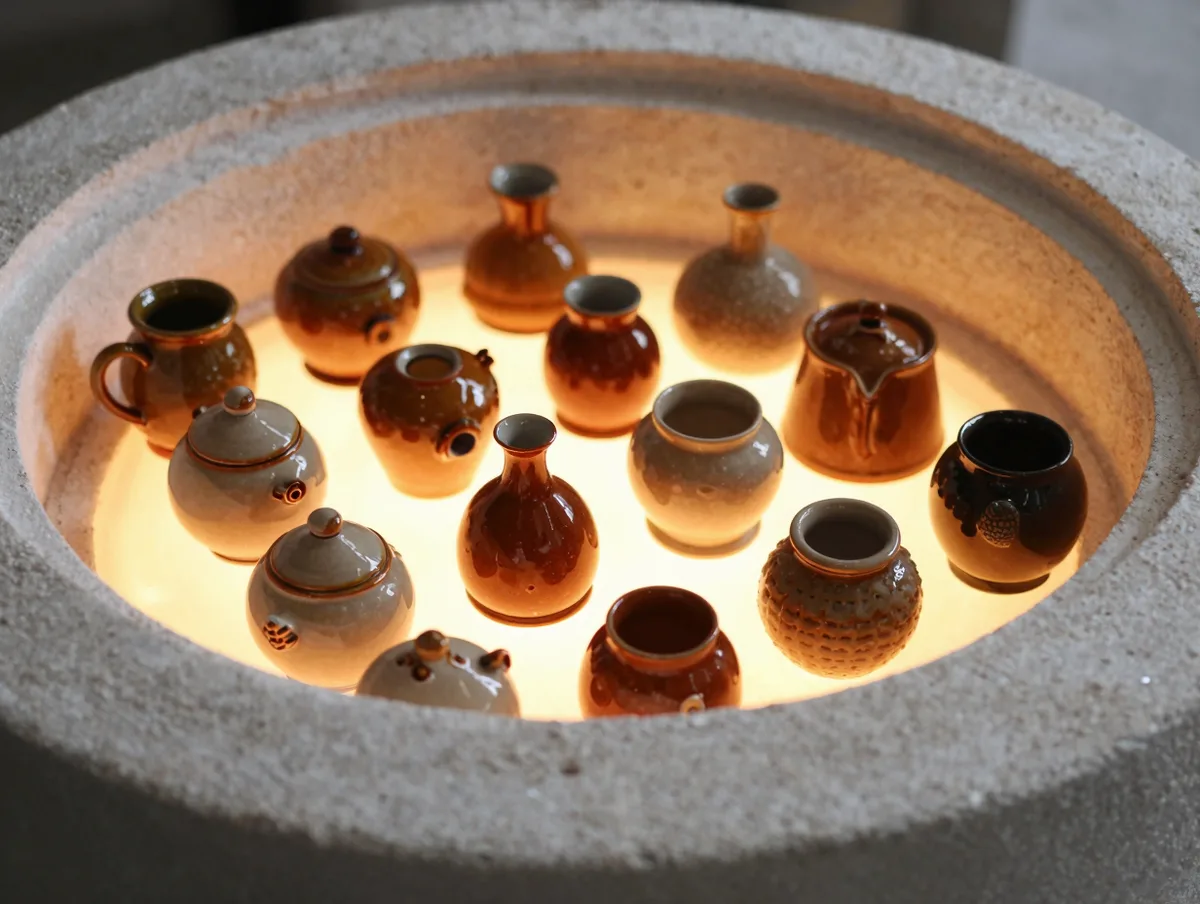
Tableware toned after wet clay and dusk.
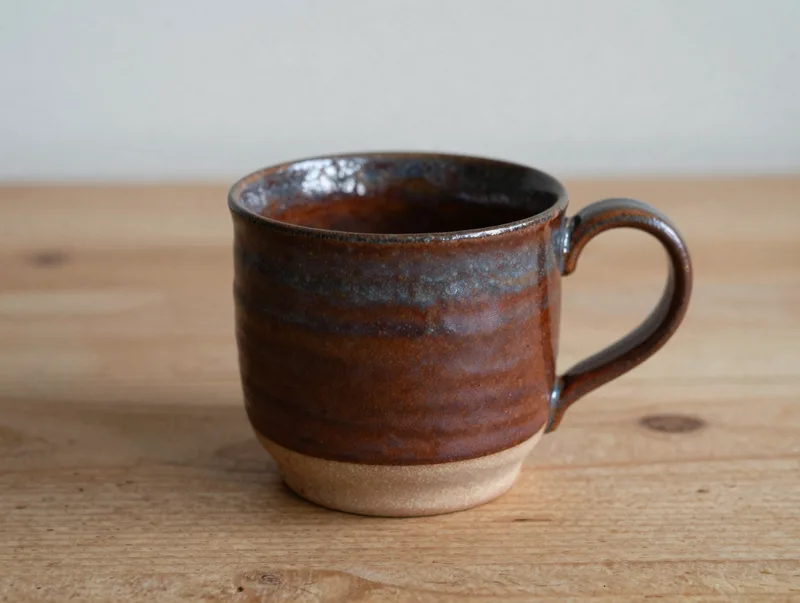
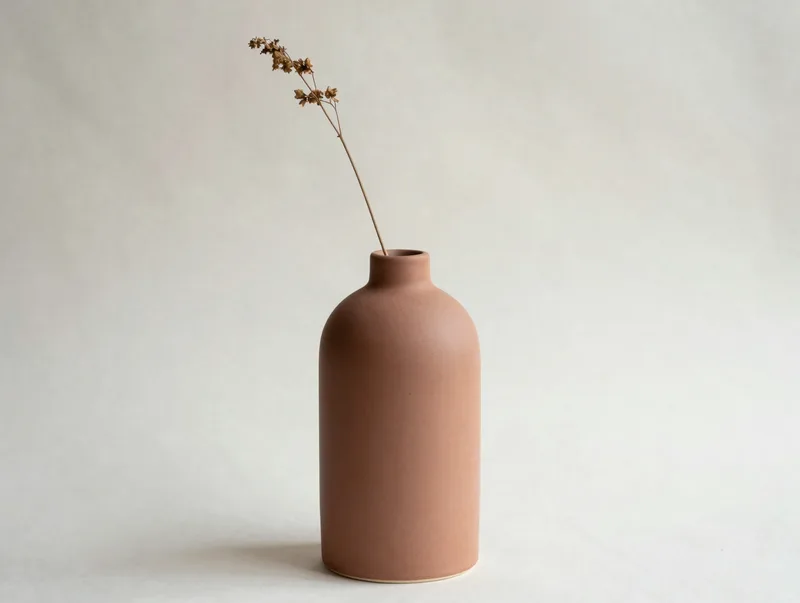
Five weeks from wet clay to your table, and most of that is spent waiting.
Stoneware from a quarry in Devon, thrown wet, one at a time, on a kick wheel.
Two weeks under plastic. Rush this and it cracks, so we do not rush it.
A first firing to 1,000 degrees, which is where about a tenth of them fail.
Dipped by hand, then a long firing to 1,280 with a slow cool for the colour.
Glazes blended from local mineral oxides.
A slow high firing that makes it last.
Lead-free, dishwasher-friendly glazes.
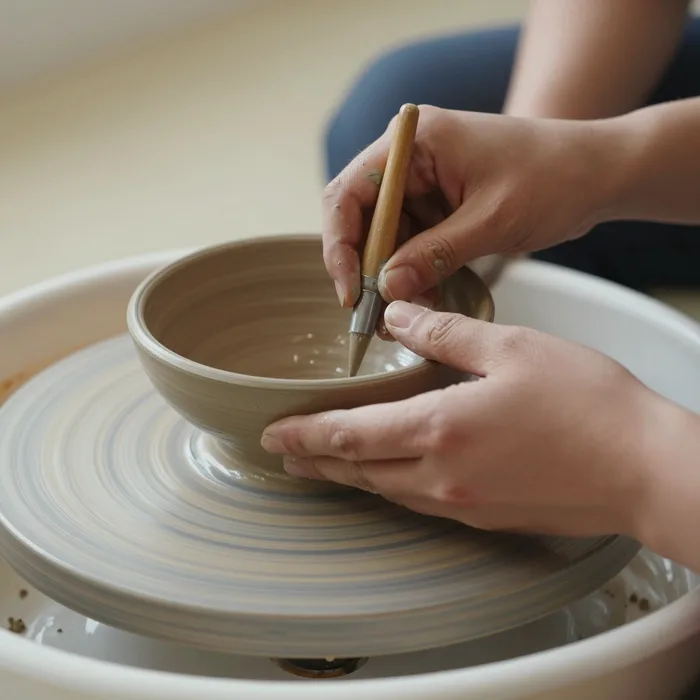
Six wheels, so six people, which is why they book out in a morning.
Three hours, one wheel, everything fired and posted to you afterwards.
The proper introduction, from centring to a glazed set you actually use.
A shelf, a key, and the run of the place outside class hours.
“My morning coffee has never felt so considered.”
“You can feel the hand that made it. That is rare now.”
Yes, though hand-washing keeps the glaze its best.
Each is thrown and glazed by hand, so no two match exactly.
For sets of six or more, with a few weeks’ notice.
Weekly beginner wheel classes, spots open each season.